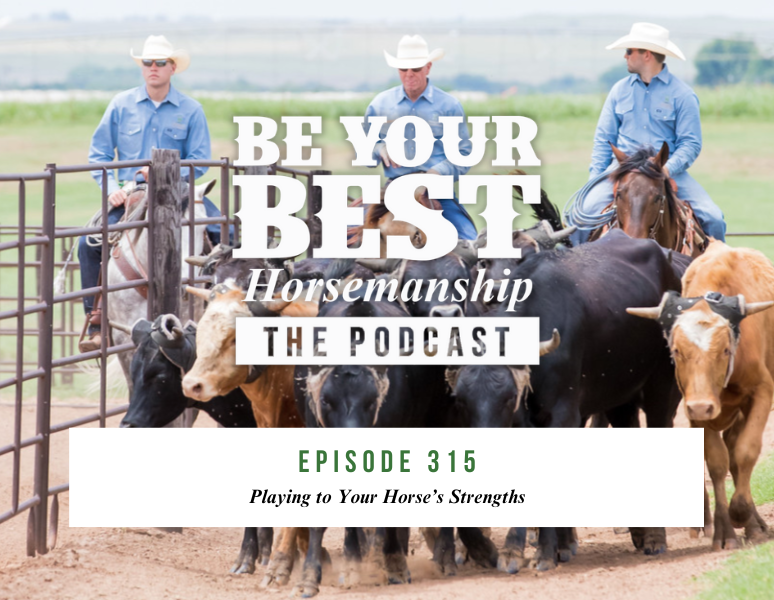
One of the biggest responsibilities we have as horsemen and women is to be good leaders — and a big part of leadership is recognizing the strengths of those we lead. Just like people, every horse has a different set of strengths, weaknesses, and preferences. Our job is to identify what those are and set them up for success.
Recognizing What Your Horse Is Built to Do
Expose your horse to plenty of different tasks so you can start to uncover what they’re naturally drawn to. Pay attention to how they respond. Do they seem confident, interested, and comfortable? Or do they feel anxious, resistant, or unsure?
Don’t try to make a horse into something they don’t have the interest or ability to be. That’s part of being a good horseman — listening and being aware of where your horse’s strengths lie. If your horse enjoys their job, everyone benefits.
When a horse is happy in their work, their confidence builds, their willingness improves, and they start meeting you halfway. That’s when real progress happens.
Setting Them Up for Success
As leaders, our job is to put the horse in the best position to succeed — even if that means letting them move on to a different role or rider. Be their advocate. Don’t put them in a box just because you need a horse to fill a certain job.
Be observant. Be flexible. Try things outside the “job description” you had in mind. Sometimes a change in environment or discipline can reveal a horse’s natural talent and give them a whole new outlook.
Just because they aren’t naturally drawn to the discipline you had in mind for them doesn’t make them a bad horse — it just means their strengths might lie elsewhere.
When the Job Doesn’t Fit
If every day your horse has to do a job they don’t enjoy, their spirit weakens and their try starts to fade. You never want your horse to associate being caught and saddled with dread.
Instead, aim for a partnership built on mutual respect and enjoyment. Form goals around your horse’s actual potential — not the potential you wish they had.
Not every horse is going to be a 1D horse, and that’s okay. What matters is progress. No matter what their ceiling is, focus on helping them get 1% better every day. There’s plenty of opportunity to be successful in any division — 3D, 4D, or otherwise — when your horse is confident, happy, and performing in the lane where they truly shine.
Bottom line: Play to your horse’s strengths. Listen, adjust, and lead in a way that brings out the best in them. When you do, both you and your horse will find a deeper sense of purpose and success in your work together.