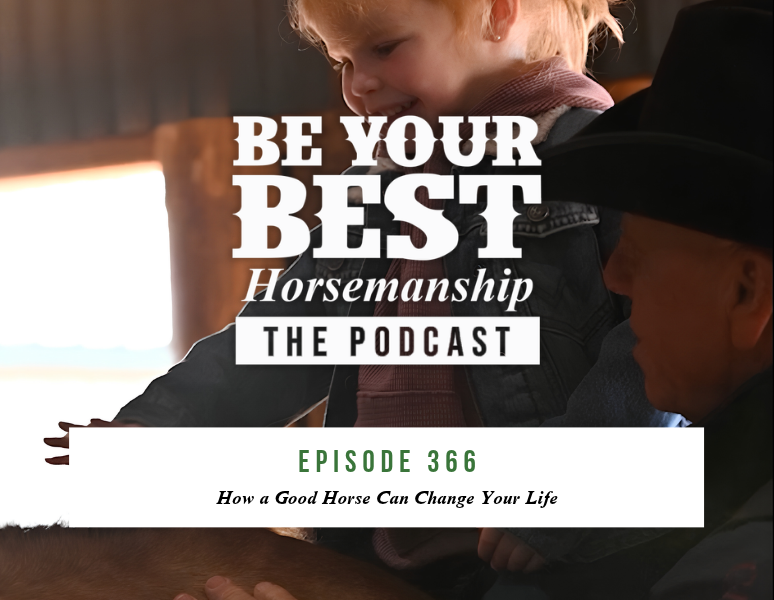
I truly believe that a good horse can change somebody's life, especially a young person who's just getting started in the horse industry.
We spend a lot of time talking about training horses, developing better athletes, and improving our performance. And, while those are all important things, I think sometimes we overlook just how much the horse underneath us influences our confidence, our ability to learn, and ultimately, how much we enjoy what we're doing.
A Good Foundation Is Never Finished
We've been spending quite a bit of time here at our training facility working on our colt-starting video series for an upcoming digital program. One of the things I talked about while filming is understanding that a horse's foundation isn't something we develop in a day, a week, or even the first 60 days of training. That foundation is something we're continually building on and reinforcing throughout a horse's entire career.
I was riding Boone the other day, and he's eight coming nine years old. He's an outstanding competitor, but I'm still working on the same foundational principles that we started developing years ago. I'm helping him get softer, more confident, and more solid in his responses. Boone is a naturally guarded, insecure horse, and every bit of trust I get from that horse is something I've got to earn.
I've also got a four-year-old gray gelding named Stinger who's an unbelievable athlete. Acceleration, stopping, turning—those things come so naturally to that horse. He's probably the handiest horse we've got on the place right now. But even with all that natural ability, he's still a young horse that's learning to develop confidence and trust.
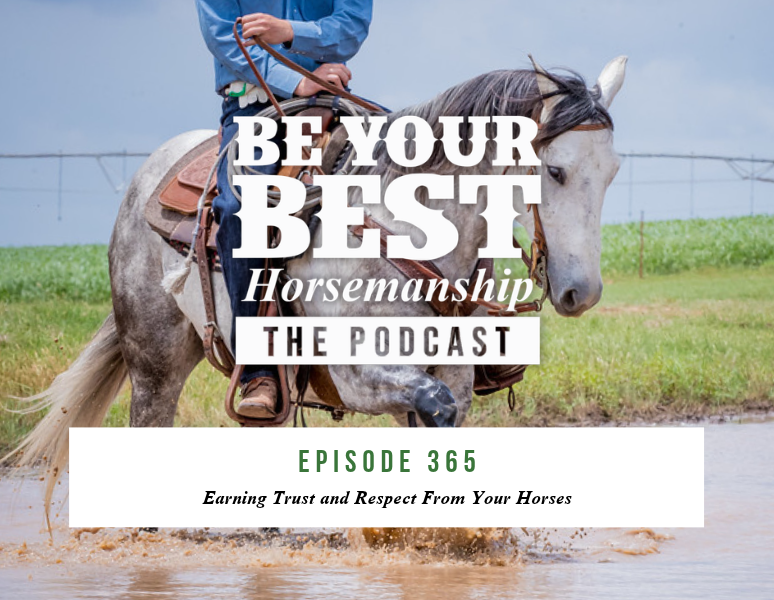
I had a really good session with Stinger recently. We started with a little groundwork on the lead rope to get him thinking and connected before moving into our riding. With all the rain we've had, the arena was still pretty wet and heavy, but the footing had a good base underneath it.
I actually like having an opportunity to work in those conditions occasionally, provided the ground is safe. It's a chance to help horses get comfortable with something that feels a little different underneath their feet. I let Stinger lope some big circles, worked on some controlled stops, and gave him time to feel that release and gain confidence in his ability to handle the footing.
We weren't doing a bunch of sharp turns or sudden direction changes. We were working on simple things that would help him become more comfortable, balanced, and responsive.
That's what developing a foundation looks like to me. It doesn't matter whether we're riding a two-year-old colt or a seasoned performance horse. We're continually looking for opportunities to reinforce what our horses know and help them become a little more confident in what we're asking.
Everything You Do Has to Mean Something
During that same training session, I spent quite a bit of time working on counterarcs, lateral movement, and some exercises through the barrel and pole patterns.
I was explaining something to Natalie, my intern, that I think is really important for anybody working with horses to understand: Everything you do has to mean something, or it means nothing.
For example, when we're working through the pole pattern, I like to use that exercise to develop the two-track. I want to be able to move the shoulders and hips laterally while maintaining forward movement.
Now, if we're simply weaving through the poles and allowing the horse to drag the hip around each turn, we're developing a habit that we probably don't want. The shoulders may be responding to our leg, but the hip isn't necessarily following through. And if we continue repeating that exercise without correcting the response, we're teaching the horse that dragging the hip is acceptable.
When I lay my leg against a horse's rib cage, I want that signal to mean something. I want the horse to understand that I'm asking for lateral movement, with the rib cage, shoulders, and hips responding together. That's why we have to pay attention to the quality of the response, not just whether we completed the exercise.
The same principle applies when we're working rope horses. I like to finish our roping sessions with a big release whenever possible. Sometimes that's out in the arena, sometimes it's in the box, and sometimes we'll take a horse through the barrel pattern at a walk afterward.
It's an opportunity to let the horse relax, move freely, and finish on a positive note. Those little things are important because they contribute to the overall foundation we're building. And you never know when the next great horse is coming through your program.
Speed Is Important, But So Is Control
When we're competing in speed events, it's natural to put a tremendous amount of emphasis on speed. And rightfully so. If you're going to be competitive, you've got to have speed. But I think sometimes we get so focused on how fast a horse can run that we overlook the importance of having a horse that's really broke.
Can you control that speed? Can you get the horse to rate when you ask? Can you move the shoulders and hips independently? Can you stop, turn, and make adjustments without having to fight for control?
Those things are extremely important, especially when we're talking about younger riders.
I've seen plenty of situations where somebody has a horse with a lot of ability, but the horse doesn't have the foundation or responsiveness necessary to make that ability manageable. And when that happens, riding can become a pretty frustrating experience.
If you can't stop your horse, that's dangerous. If you can't control your horse in an alleyway, that's dangerous. If you don't know how your horse is going to respond from one run to the next, that's something you need to address.
I'm not saying every horse needs to be perfect. We're always going to have things to work on. But if you're dealing with situations that are becoming dangerous, get some help. Find somebody who can help you get that horse back to using the thinking side of the brain and develop some tools to work through those problems.
Because ultimately, we want riding to be something people enjoy doing. And that's especially important when we're talking about young people who are just developing their passion for horses.
The Right Horse Can Build a Lifetime of Confidence
We've currently got a couple of really nice horses for sale, Rosco and Reba. They're both versatile horses that have experience in multiple events, and I've been thinking quite a bit about the kind of opportunities a horse like Rosco could provide for a younger rider.
I had a customer reach out recently about whether Rosco might be a good fit for an eleven-year-old girl. And my response was “absolutely.”
Rosco is the kind of horse that can do a little bit of everything. He's good in the barrels, poles, and breakaway roping. You can head on him, and I think you could tune him back up to tie down calves, too. He's just a dang nice horse.
And here's what I think is so important about a horse like that: A young rider gets an opportunity to experience what a broke horse is supposed to feel like.
Instead of spending every ride trying to figure out how to get the horse to stop, turn, or respond, they can concentrate on developing their own skills.
They can learn what good timing feels like. They can start to recognize the difference between a balanced turn and an unbalanced one. They can develop confidence in their ability to ask for something and get the correct response.
And when they start having some success, that confidence carries over into everything else they're doing.
I told that customer that I truly believe a horse like Rosco could change that young girl's life.
Now, I'm not saying Rosco is God's gift to the horse industry. There are other good horses out there that can provide those same opportunities. But I know what a difference it makes when a young person gets to ride a horse that allows them to learn, improve, and enjoy the experience.
That's something I want for every young rider.
A Good Horse Gives You the Opportunity to Get Better
I was listening to a podcast recently with Logan Medlin, and he was talking about a horse he called Drago. That horse was an outstanding heel horse, and Logan made a comment about how Drago taught him how to heel.
Well, when you think about that, what that horse really did was give Logan the opportunity to experience what it felt like to heel at an elite level.
He had a horse underneath him that could consistently put him in the right position, and because of that, he could develop the timing, feel, and understanding necessary to become a better competitor.
Now, that doesn't take anything away from Logan's ability. The rider still has to do the work. But the horse creates an opportunity to learn things that might be much more difficult to develop on a horse that isn't capable of providing that same experience. And I think that applies at every level.
A young rider doesn't necessarily need a world champion horse. But having a horse that's solid, responsive, and dependable can make a tremendous difference in how quickly they learn and how much confidence they develop.
When you're constantly having to compensate for what your horse can't do, it makes it difficult to concentrate on improving what you can do. But when you've got a horse that gives you a good feel and consistently responds to your signals, you can start developing a whole different level of understanding.
That's one of the greatest things a good horse can do for a rider.
Creating Positive Experiences for the Next Generation
One of the things I hate to see is a young person who starts out with a tremendous passion for horses but eventually walks away from the industry because the experiences they had weren't very enjoyable.
Maybe they were riding horses that weren't broke very well. Maybe the expectations were unrealistic, or they were constantly dealing with situations that created frustration, anxiety, or fear.
And over time, those experiences can change how somebody feels about riding altogether.
I don't want that for young people. I've got three grandchildren now, and one of my goals is to have some really nice horses ready for them as they get older.
We've got a couple of young horses coming along that I think could be great fits down the road. And we've got horses like Belle, who Wade is riding right now, that are just so gentle, solid, and user-friendly. Those are the kinds of horses I want my grandkids to grow up riding.
I want them to have fun. I want them to gain confidence in themselves, develop their skills, and have some success if that's what they want to pursue. And we don't have to win the world.
If they decide they want to compete at a high level, that's great. I'll do everything I can to help them pursue that. But more than anything, I want their experiences with horses to be positive. I want them to enjoy the process and develop a passion that can stay with them throughout their lives.
Because when young people have good experiences with horses, they're much more likely to stay involved in the industry. And, I think that's something we should all care about.
Never Stop Building on the Foundation
Whether we're developing a young colt, preparing a performance horse for competition, or helping a young rider gain confidence, I think it all comes back to the quality of the foundation.
We need horses that understand our signals, respond to our body language, and have the confidence to do their jobs. And developing that kind of horse requires consistency, good communication, and a willingness to keep improving the little things.
It's not something we accomplish in the first 30 or 60 days of training. It's something we continue working on throughout a horse's career.
I know I've still got things I can improve with Boone, Stinger, and every other horse in my program. And that's one of the things I enjoy most about training horses. There's always another opportunity to learn something, refine a response, or help a horse become a little more confident. But, I also think we need to remember the bigger picture.
The work we're doing with our horses today may eventually give somebody else an opportunity they wouldn't have had otherwise. It may help a young rider gain confidence, develop a passion for the industry, or accomplish something they never thought possible. And that's pretty rewarding when you think about it.
Because at the end of the day, it's not all about winning. It's about enjoying what we're doing, continuing to improve, and giving the next generation an opportunity to experience everything this industry has to offer.
A good horse can change your life. And, the work we put into developing that horse can make a difference for years to come.