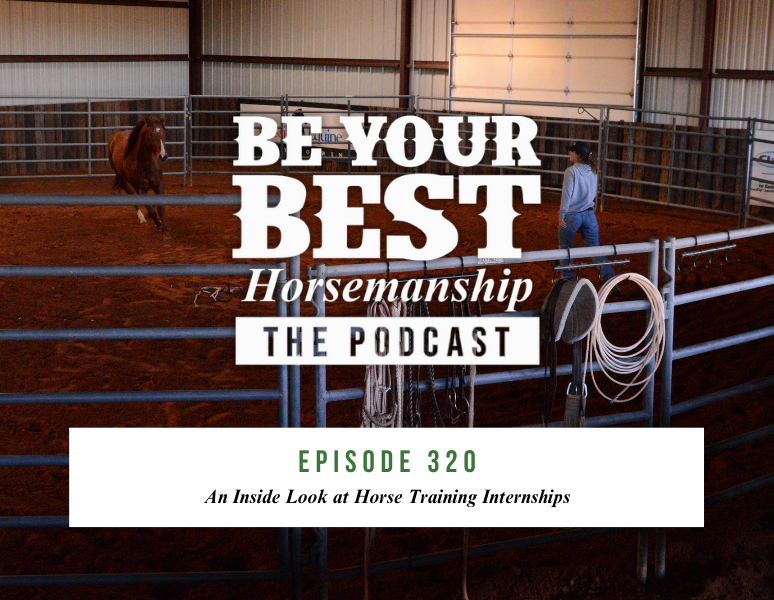
In this episode, I'm talking about my first time welcoming interns into my training program. From training young horses to learning the ins and outs of facility management, responsibility, and work ethic, this episode is about more than riding—it’s about mindset, commitment, and understanding what it truly means to make a living training horses.
It’s a crisp Tuesday morning—about 20 degrees—with a good frost on the ground and a hot cup of coffee in my hand. That quiet time in the morning, before the day gets moving, is my favorite part of the day. It’s when I reflect, plan, and think about where we’re headed.
And this fall, one of the biggest things happening here has been the start of something new for me: an intern program.
Why I Finally Opened the Door to Interns
I’ll be honest—I avoided internships for a long time. I had some preconceived ideas about them, and I wasn’t sure it was something I wanted to take on. But after several conversations, referrals from people I trust, and a lot of thought, I decided to give it a try.
This fall, I welcomed two interns into the program: Millie and Natalie.
Both had already gone through my mentorship program. Natalie attended a clinic, and Millie had experience working for good hands in Utah and helped at a demonstration I did for the Levi Wright Foundation. They didn’t just show up cold—they earned their way in.
That part matters.
What I Look for in an Intern
The biggest question for me isn’t talent. It’s mindset.
Are you a self-starter?
Are you willing to work?
Can you control your attitude, effort, and thinking?
I told both of them from the beginning: If I have to hold your hand through everything, it’s easier for me to just do it myself. But, if they are up for the challenge, it will be one of the greatest learning opportunities they’ll have.
Interns have to be willing to jump in, make mistakes, adjust, and keep moving. And, that’s exactly what Millie and Natalie have done.
For the first several weeks, I intentionally stepped back. I wanted to see how they operated without constant direction—how they thought, how they managed time, and how they handled responsibility. And, they rose to the challenge.
Learning the Business—Not Just the Riding
One of the biggest advantages right now is that they’re riding my colts, not customer horses.
That gives them some breathing room. There isn’t a gun to our head every day about timelines, but that doesn’t mean standards drop. It means there’s room to learn.
If these were customer horses, I’d have to keep my thumb on the training process much more closely—and rightly so. Customers hire me to manage and guide the training of their horses. That responsibility doesn’t change.
With my horses, the interns can think their way through the process, learn from mistakes, and understand how adjustments shape results.
You Don’t Learn by Waiting to Be Told
One thing I stress constantly: don’t wait around asking what to do next.
There are always horses to work, stalls to clean, ground to manage, equipment to maintain. If you’ve got time to lean, you’ve got time to clean. That applies in any business.
What makes people hesitate is fear—fear of messing something up. I understand that. But if you want to learn the business side of training, you have to be a doer.
If you mess up, you own it, adjust, and move on. If I micromanage every step, all you’re doing is waiting on me. That doesn’t teach you how to think—and thinking is everything in this business.
Facility Management Creates Professional Horsemen
To understand horse training as a career, you have to understand management.
Great trainers don’t last if they aren’t great managers. I’ve seen incredibly talented horsemen leave this business because they couldn’t manage the details—facilities, schedules, planning, efficiency.
Every week should end better than it started.
Every day should improve on the one before it.
That’s compounding. Small improvements stack up fast—good or bad.
Are the horses better by Friday than they were on Monday?
Does the facility look better at the end of the week?
Are we set up to hit the ground running next week?
Those things matter.
The Colts That Challenge You Are the Ones You Want
Some of the colts Millie and Natalie are riding are easy. Some are not. And I’ve told them: the challenging ones are the ones that make you better.
Those horses force you to clean up your timing, improve your feel, and sharpen your communication. When a horse struggles, they’re telling you they don’t understand—not that they’re “bad.” Those are the horses that take you to the next level.
This Is About More Than Horses
Internships like this aren’t about money. They’re about desire.
If you’re here just to get paid, you won’t last. The people who make it in this business have a burning desire to do it. Nobody can talk them out of it—and nobody has to push them into it.
Training horses is actually the easiest part of my job. Running a facility, managing equipment, planning schedules, solving problems—that’s the real work. And learning that side of the business is what separates hobbyists from professionals.
You’re Always Building Your Brand
One thing I talked to them about yesterday: no matter who signs your check, you’re still self-employed.
Every day you’re building your brand—by how you work when nobody’s watching, how you treat the facility, how you handle pressure, and how you manage details.
The habits you build in the quiet moments are what create long-term success. Winners develop the habit of doing the things others don’t like to do.
That mindset shows up in everything—from riding colts in the cold, to sweeping mats, to picking up trash before someone else sees it.
Looking Ahead
This is the first year I’ve done an intern program, and we’re still early in the process. There’s a lot of opportunity here—for them and for me.
It’s been fun to teach, and just like clinics, it’s made me better as well. Teaching forces clarity. It sharpens communication.
At some point, I’ll have both interns on the podcast and let them share their perspective. And whether this program continues long-term, we’ll see.
For now, I’m proud of the work they’re doing—and grateful for the chance to pass along what I’ve learned.