Ep 306: The Growing Shortage of Colt Starters

It’s been a busy fall here at our training facility in Weatherford, OK. Between preparing horses for the Riata Buckle and wrapping up our mentorship weeks, I’ve had a lot of opportunities to reflect on the state of our industry. This past week, as I finished our Foundations Mentorship, one topic kept coming up in my conversations with trainers: the growing shortage of colt starters.
I’ve been hearing it more than ever—calls and messages from people looking for someone to put the first rides on their young horses. Sometimes the colts aren’t even born yet, and folks are already asking about openings. That says a lot about the demand we’re facing.
Why the Colt Starting Shortage Is Real
When I started out, there were a lot of guys riding colts. It was part of the process—hard work, long days, and sometimes tough lessons learned the hard way. Today, many of those same trainers (myself included) aren’t taking in colts at the volume we used to. Father Time eventually catches up with all of us.
At the same time, our industry is breeding more horses than ever before. From rope horse futurities to barrel futurities to cutting and reining events, demand is high and the number of foals being born every year keeps rising. That’s a recipe for a bottleneck: too many young horses, not enough skilled colt starters.
And make no mistake—colt starting isn’t just “throwing a leg over.” It requires experience, timing, patience, and the ability to safely build a horse’s foundation. Without that, the horse’s potential is limited from day one.
The Opportunity for the Next Generation
For young trainers looking to make their mark, this is one of the greatest opportunities out there. A shortage means demand. And demand means a chance for someone willing to put in the work to step up and fill the gap.
But here’s the truth: to become a great colt starter, you’ve got to go through numbers. You’ve got to put in the time, ride a bunch, and learn from each one. It’s the most dangerous part of the training process, but it’s also one of the most rewarding.
What Breeders and Owners Need to Know
If you’re raising colts, don’t wait until they’re two years old to think about finding someone to start them. By then, the best colt starters are already booked solid. Start early—and better yet, give your horses the advantage of a program from the start.
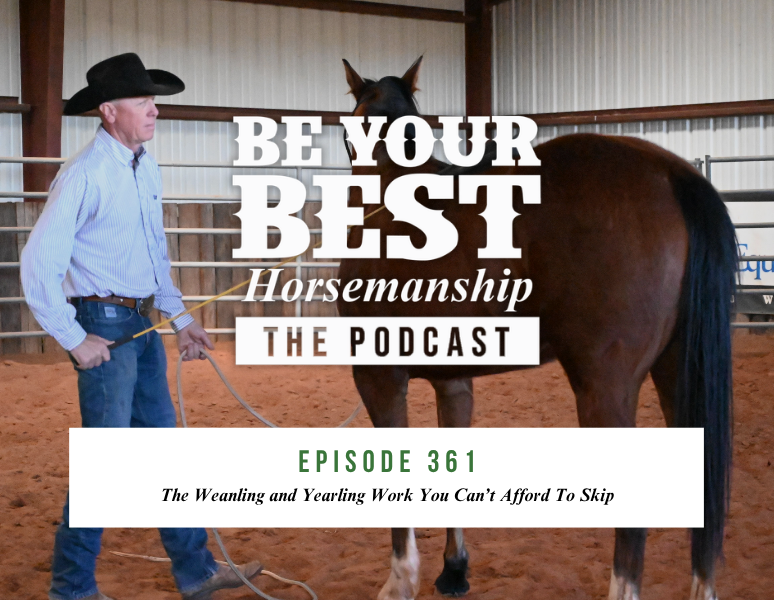
Work with your weanlings. Build a yearling program. Give those colts a chance to think before you ever swing a leg over them. When they finally do go to a colt starter, they’ll be ready—and the colt starter will be able to do their job more effectively.
Looking Ahead
I don’t know exactly how the colt starting shortage is going to play out, but I do know this: if you want your horses to reach their potential, you need a solid plan for their foundation. And if you’re a young trainer looking for a career path, there’s never been a better time to learn, grow, and step into this role.
As always, it comes back to the basics—controlling a horse’s feet through their thoughts, building confidence step by step, and committing to the process. That’s where success begins, whether it’s in colt starting, training, or life.